Warning this is a long post.
Today is the last day of 2025. Where do we go from here? Typically, we rehash the year, with little thought to what aspects of ourselves we should leave behind and what we should carry forward. We get caught up in New Year resolutions, which do not focus on how we intend to become a more mature Christian, one who surrenders and intentionally becomes more obedient, leaving the old person behind and redefining who we are in Christ. The main focus is not just to review the past year, but to intentionally decide which aspects of ourselves to leave behind and which to strengthen, especially in our spiritual walk as Christians. The emphasis is on becoming more mature in faith, surrendering old habits, and redefining ourselves in Christ.
Relinquishing Self: The Word or the World
The world feels like the Stranger Things series – we are lodged in the upside-down place, which is in opposition to the Word of God. Our upside-down world is a world that opposes the Word of God. Chaos reigns, and our leaders are deciphering the Word to support their world of greed and influence. It feels as if we cannot stop the onslaught of destruction; that is exactly what Satan wants us to believe. He not only wants to dim the light, but He wants us to think that darkness is our preferred choice. This is one of the most deceptive lies that darkness cannot be extinguished. We are to live according to biblical principles rather than worldly values. John 1:5 NLT unveils the truth: The light shines in the darkness, and the darkness can never extinguish it.
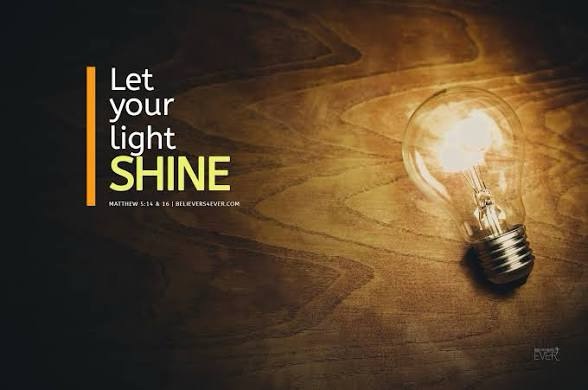
As active Christians, we can stop the dimming. We can stand up to the evil around us. It requires that we commit ourselves to the Word differently than we have in the past. Our New Year’s resolution is not about losing weight, exercising more regularly, or sleeping undisturbed for eight hours. It is about reading the Bible, staying in the Word, and checking daily to ensure we are following the Word, not the world. It means we must put on all the armor of God (Ephesians 6:10-18) every day. We must be aligned with the sword of the Spirit and be ready to wield it as needed. Francis Frangipane (The Power of Covenant Prayer) reminds us that “His Word is the eternal sword we raise against wickedness.” We must become a house of prayer and act according to the Word. It means we must pray throughout the day and night. It does not require lengthy prayer but simple, continuous communication with our Lord. We must also seek to help others in greater ways than donating money. It means we must care for the elderly, poor, sick, widows, and children.
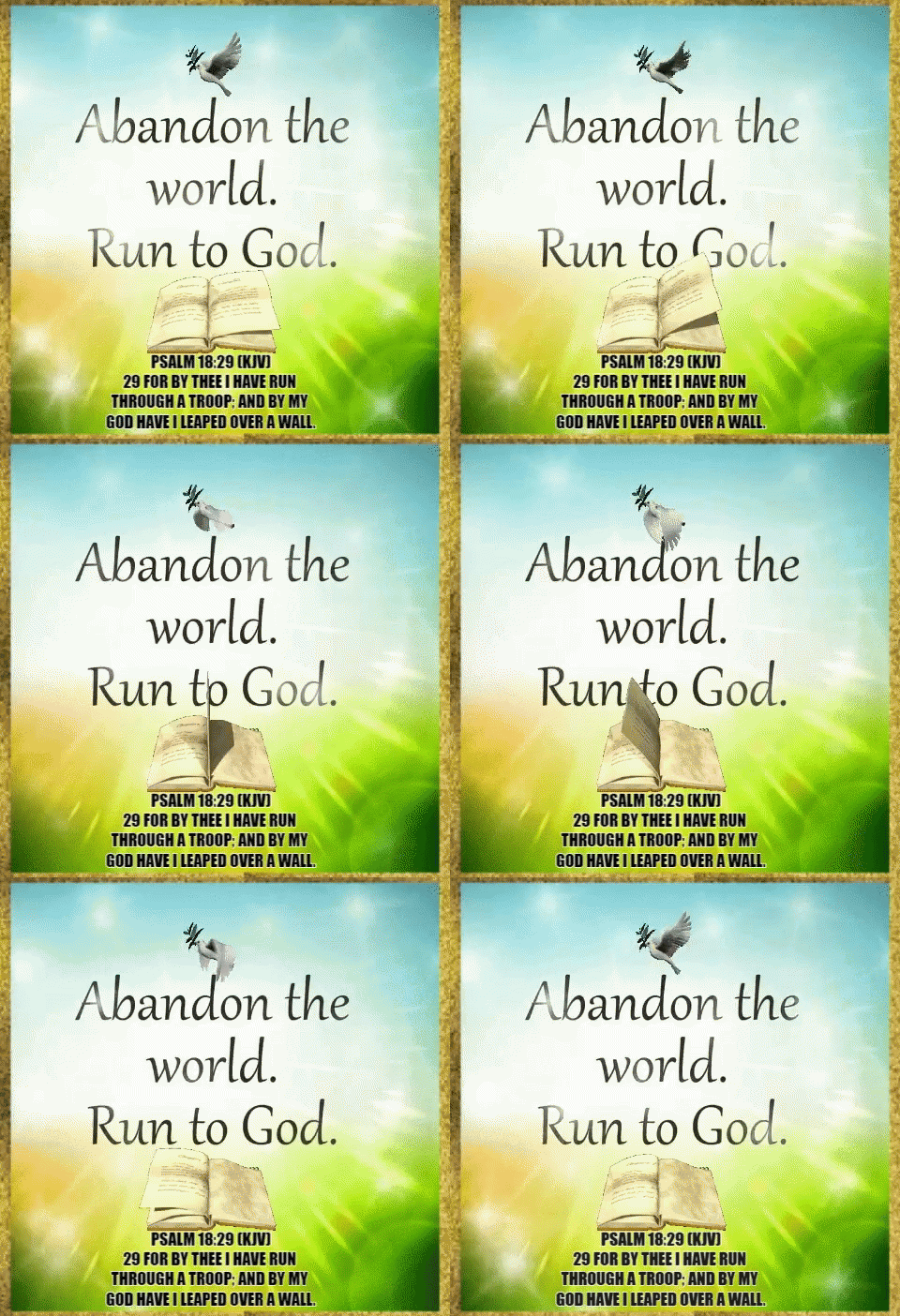
Becoming Warriors through Renewed Strength
Life as a Christian is a responsibility. We are responsible for what goes on in the world. God has given us the titles of ambassadors, disciples, and teachers. These are active roles; no one possessing these titles sits and pontificates about the challenges that lie ahead. The positions require action.
What should we do as Christians? There are so many things going on in the world, do we succumb to the chaos of the day and by doing so contribute to the darkness it is producing, or do we spread the light through the world through the Word of God, expressed through our actions, intentions, and deeds?
Looking forward to the intentions of an actively committed Christian requires some thought. I’m certain there are parts of you that you would like to leave behind and parts that you would like to continue to develop.
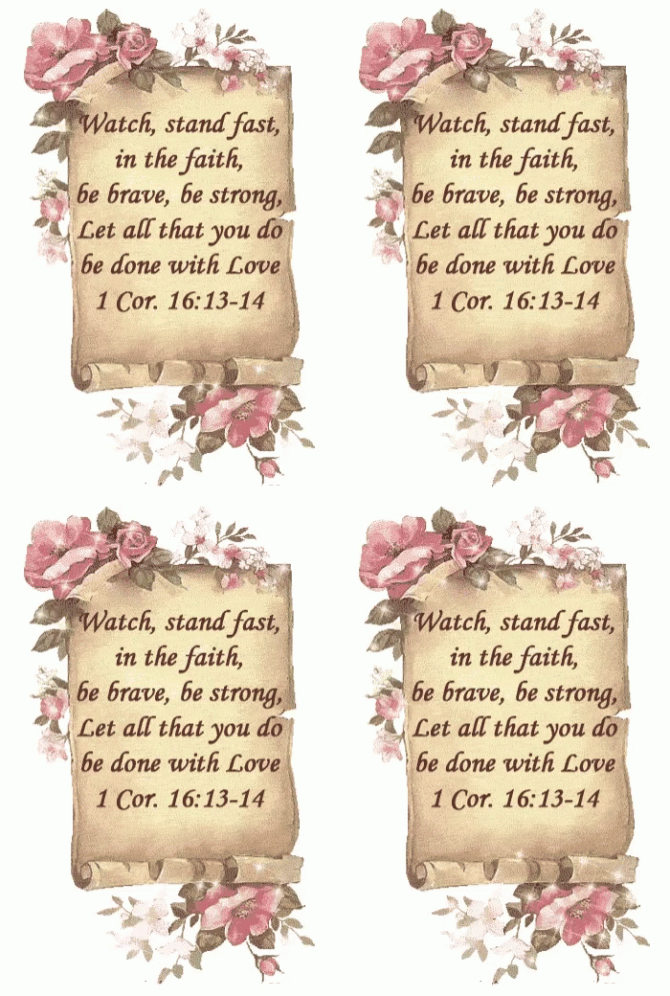
An easy way to keep track of your transition is to make a chart and list the parts of your character that you wish to eliminate, leave behind, and those elements you wish to strengthen to deepen your faith. This will become a daily reference point to ensure that you are leaving the old you behind and actively developing the new.
Chart This
Things I want to leave behind …
Things I want to strengthen…
…a haughty heart.
Learn to maintain a humble heart before the Lord.
…focusing on self and the things of this world.
Focus on the Word and how it applies to daily living.
Action Items for Closing Out 2025
1. Reflect and Chart Your Growth
- Make a chart with two columns: “Things I want to leave behind” and “Things I want to strengthen.” Use this as a daily reference to track your spiritual growth and personal development.
2. Prioritize Spiritual Commitment
- Focus your New Year’s resolutions on deepening your faith, not just on typical goals like fitness or sleep. Commit to becoming a more mature Christian by intentionally leaving behind old habits and embracing new ones.
3. Stay Rooted in the Word
- Read the Bible regularly and ensure your actions align with its teachings. Make daily checks to confirm you are following the Word, not the world.
4. Equip Yourself Spiritually
- Put on the “armor of God” every day. Be ready to use the “sword of the Spirit”—the Word of God—to stand against negativity and evil.
5. Maintain Continuous Prayer
- Pray throughout the day and night. Focus on simple, ongoing communication with God rather than lengthy prayers.
6. Serve Others Actively
- Go beyond financial donations. Actively care for the elderly, poor, sick, widows, and children in your community.
7. Accept Responsibility
- Recognize your role as an ambassador, disciple, and teacher. Take active steps to address challenges and spread light through your actions, intentions, and deeds.
8. Relinquish Self
- Identify parts of yourself to leave behind and areas to develop further. Use your chart as a daily tool for self-assessment and growth.
Shema: Hear and Obey Devotional, Day Four Devotional, YouVersion App
I awoke this morning, and when I opened my YouVersion App, this is what appeared. Shema: Hear and Obey, day four devotional.
Luke 12:32 may be one of the most breathtaking verses in all of scripture. Jesus looks at His followers—fragile, fearful, unsure—and says, “Fear not, little flock, for it is your Father’s good pleasure to give you the kingdom.” God doesn’t just allow us into His Kingdom—He delights to entrust it to us. The phrase “good pleasure” carries the weight of resolve. This isn’t a reluctant gesture. It’s a determined one.
So why do so few of us live like heirs? We’ve confused our kingdoms with His. We chase influence, clarity, and comfort—mistaking them for Kingdom. But Romans 14:17 tells us the Kingdom is righteousness, peace, and joy in the Holy Spirit. These aren’t casual, manufactured virtues—they are costly, Spirit-wrought realities shaped in surrendered lives.
Trust roots us in Kingdom life, though it rarely grows in certainty. Many know the promises but miss the Person behind them. We crave plans and answers, but obedience rarely provides that kind of certainty. It often feels like walking blindfolded. That tension isn’t a flaw—it’s part of the formation process. God isn’t making us comfortable. He’s making us new. Ephesians 4 says the life He leads us into means a new mind and new self.
This is the battleground of real faith. John Kavanaugh, a Catholic priest and ethicist, once traveled to Calcutta to work with Mother Teresa, hoping to gain perspective on where his life with God was headed. When he asked her to pray for him, she replied, “What do you want me to pray for?” “Clarity,” he said. “No,” she answered. “Clarity is the last thing you’re clinging to—and you must let go of it.” When he asked why, she smiled and said, “I’ve never had clarity. What I’ve always had is trust. So, I will pray that you trust God.”
Mother Theresa’s message is that trust is more important than certainty, and that God is forming us through faith, not comfort. Christians are encouraged to let go of the need for charity and instead trust God’s guidance.
Scripture tells us, “The eyes of the Lord run throughout the whole earth, to give strong support to those whose heart is fully His”(2 Chronicles 16:9). He’s not scanning for perfection. He is looking for a Shema *heart. One that is soft enough to listen, brave enough to obey. When He finds it, something happens…
He moves. And the Kingdom moves with Him.
In closing, I wish you well, knowing that the Kingdom belongs to all of us. Strengthening our Christian resolve to become more like Christ, to hold back the darkness and spread God’s love, is not just our resolution for 2026, but our resolution that grows stronger until we reach life eternal.
Romans 14:17 NLT ensures us that living a life of goodness and peace and joy is a gift of the Holy Spirit: For the Kingdom of God is not a matter of what we eat or drink, but of living a life of goodness, and peace and joy in the Holy Spirit.
Shema is a Hebrew word meaning here and listen, and it refers to Judaism’s most central prayer, ‘O Israel: the Lord our God, the Lord is One’ (Deuteronomy 6: 2). More than just hearing, the Shema implies deep understanding, heeding, and active obedience to God. Hearing and listening in the literal sense are deeper than just hearing and listening. It means hearkening and internalizing. Fundamentally, it is truly hearing God’s voice in His commands, encompassing love, teaching, and remembrance. The Shema is a powerful call to holistic devotion. Uniting, hearing, understanding, and acting in loving and serving our God. (AI Overview)
This is the season to internalize the church that is in you because the Holy Spirit resides in you. Daily prayer and communication with God, the direction of the Holy Spirit, whose voice becomes more recognizable as you study, pray, and listen will lead to the gift of the Kingdom in you will be a prevailer of light that cannot be quenched by darkness, rather you serve to break up the darkness and usher in the light of God that replaces wickedness.
In closing, consider leaving behind your haughty heart, focusing on self and worldly things. And, strengthening and maintaining a humble heart before the Lord, focusing on the Word and its daily application.

“Grow in the grace and knowledge of our Lord and Savior Jesus Christ. To him be the glory both now and to the day of eternity. Amen.” ~2 Peter 3:18, ESV