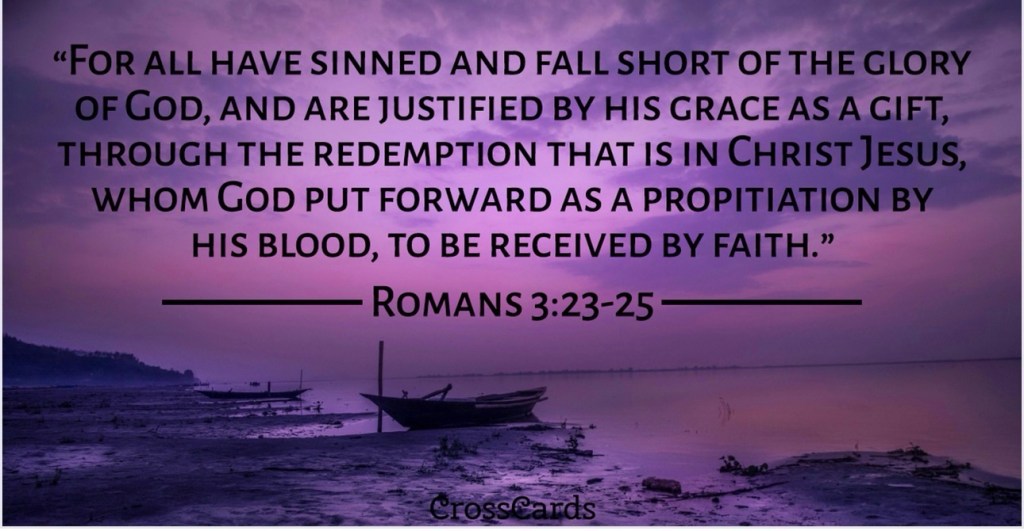
We are born into a fallen world, shaped by sin from the very beginning (Romans 3:23; Psalm 51:5). Life offers no guarantee of ease or comfort. In fact, sin ensures that we will encounter hardship, suffering, and spiritual battles.
The enemy works diligently to unravel our faith. He tempts us to rely on ourselves, to define truth on our own terms, and to pursue independence from God. Yet self-reliance ultimately leads to failure and separation, because apart from Christ we can do nothing (John 15:5).
But this is not the end of the story.
Where sin abounds, grace abounds even more (Romans 5:20). Though we are born into sin, we are invited into redemption. Through Christ, trials refine our faith rather than destroy it (James 1:2–4). What the enemy intends to use to isolate us, God uses to draw us closer to Himself.
Our hope is not in a trouble-free life — it is in a faithful Savior.
However, there is good news — glorious, hope-filled news. Praise our Lord!
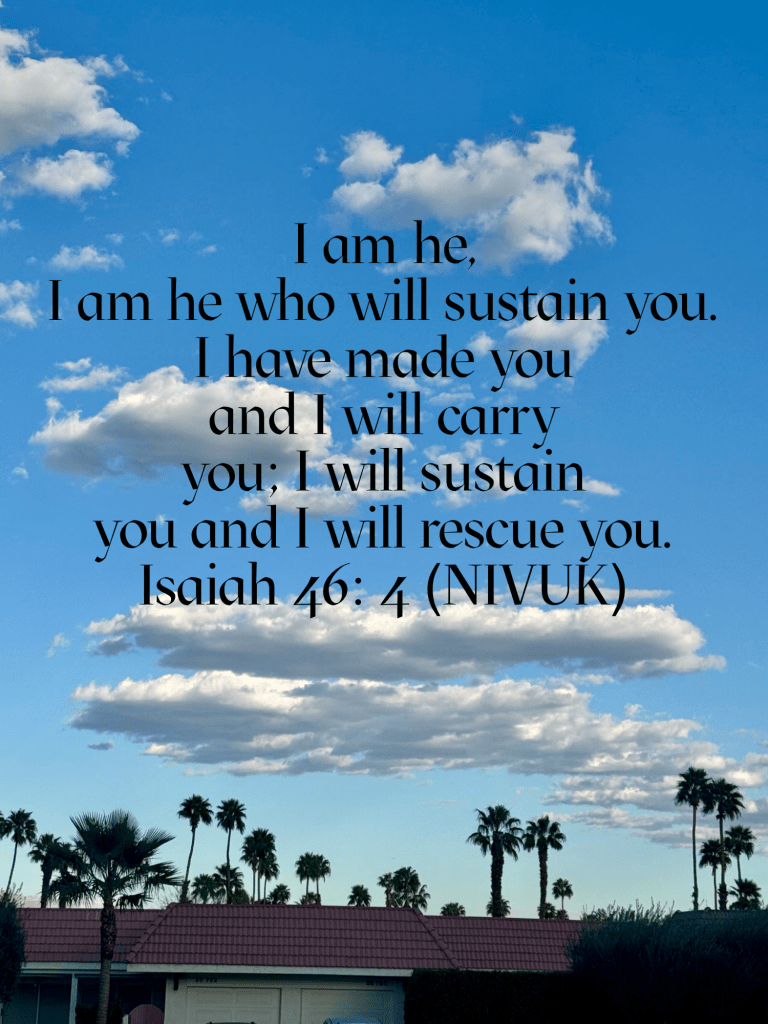
From our youth to our old age, He promises to be with us. “Even to your old age and gray hairs I am He… I have made you and I will carry you; I will sustain you and I will rescue you” (Isaiah 46:4).
He does not abandon His children in the middle of their trials. He walks with us. He cares for us. He sustains us when we are weary. And when we need rescuing, He rescues us.
Our lives may be marked by difficulty, but they are also marked by divine presence. The same God who formed us carries us. The same God who allows refinement also provides deliverance.
We are never alone — not in youth, not in maturity, not in old age. He is faithful in every season.
Dark days do not mean we live in the dark.
Seasons of hardship do not extinguish the Light within us. They reveal it. “The light shines in the darkness, and the darkness has not overcome it” (John 1:5).
Dark days remind us who we belong to. We are children of the Father, not prisoners of circumstance. When storms rise, they call us back to dependence — to trust the One who sees beyond the wind and waves.
Our Father leads and guides us through every storm. He does not abandon the ship. He steadies us, anchors us, and directs us safely to His harbor. “The Lord will guide you always” (Isaiah 58:11).
We may walk through dark valleys, but we do not walk alone. The Shepherd is present. The Light still shines. And the harbor is certain.
When applying this Scripture, it does not imply passivity or inaction. It does not suggest that we sit still and do nothing. Rather, it calls us to begin in the right place.
We are to go to God first.
Before stepping out on our own, we seek Him in prayer for wisdom, direction, and discernment. “Trust in the Lord with all your heart and lean not on your own understanding; in all your ways submit to Him, and He will make your paths straight” (Proverbs 3:5–6).
Rational people prepare, strategize, and plan. Scripture affirms wise preparation (Proverbs 21:5). Planning is not a lack of faith. Acting without consulting God is.
Christians should begin every process with prayer — not as a last resort, but as the first response. We align our plans with His will before we implement them. We seek His counsel before we rely on our competence.
Prayer is not the absence of action; it is the foundation of right action.
We plan.
We prepare.
We move forward.
But we begin on our knees.
Proverbs 16:3 (NIV) Commit to the Lord whatever you do, and he will establish your plans.
Proverbs 19:21 (NIV) Many are the plans in a person’s heart, but it is the Lord’s purpose that prevails.
Jeremiah 29:11 (NIV) “For I know the plans I have for you,” declares the Lord, “plans to prosper you and not to harm you, plans to give you hope and a future.”
Psalm 27:14 (NIV) Wait for the Lord; be strong and take heart and wait for the Lord.
Isaiah 40:31 (NIV) But those who hope in the Lord will renew their strength. They will soar on wings like eagles; they will run and not grow weary, they will walk and not be faint.
Lamentations 3:25-26 (NIV) The Lord is good to those whose hope is in him, to the one who seeks him; it is good to wait quietly for the salvation of the Lord.
James 4:13-15 (NIV) Now listen, you who say, “Today or tomorrow we will go to this or that city, spend a year there, carry on business and make money.” Why, you do not even know what will happen tomorrow. What is your life? You are a mist that appears for a little while and then vanishes. Instead, you ought to say, “If it is the Lord’s will, we will live and do this or that.”
Psalm 37:5-7 (NIV) Commit your way to the Lord; trust in him and he will do this: He will make your righteous reward shine like the dawn, your vindication like the noonday sun. Be still before the Lord and wait patiently for him.
When we acknowledge that we are not in control and turn to Him at the first sign of uncertainty, our outcomes change. What might have become confusion becomes clarity. What could have led to missteps becomes guided direction.
Had we blindly forged deeper into the unknown on our own, we might have wandered. But when we pause and seek Him first, we are led — not lost.
The Lord is not only our Father; He is our guiding Light. “Your word is a lamp to my feet and a light to my path” (Psalm 119:105).
A lamp does not illuminate the entire journey at once — it lights the next step. And often, that is exactly what we need. Not the full blueprint, but faithful guidance for the moment before us.
When we surrender control, we gain direction.
When we admit uncertainty, we receive wisdom.
When we seek Him first, we walk in light rather than shadow.
He does not promise us full visibility — but He promises faithful guidance.
I was listening to Gospel/Christian music this morning, and a song titled “I Forgive Me” by Soul Medicine was playing as I jogged. I believe one of the greatest challenges we face is not forgiving others—it is learning to forgive ourselves. We are both our own best friends and our own worst enemies. We are both saved by grace and sinners. God forgives us but in opposition, Satan tirelessly undermines our blessing by introducing doubt.
Biblestudytoold.com
If we doubt and listen to our own negative self-talk we are negating God’s forgiveness. We must learn to master the authority God gave us to silence the voice Satan whispers in our minds. His voice is very convincing, His temptation is seductive to ignore. After we succumb, he accuses us of our wrongdoing and tells us we are shameful. To truly accept God’s grace, we must learn to silence the voices of doubt and shame. We are willing to accept God’s forgiveness but unwilling to forgive ourselves, thus negating God’s forgiveness. As long as we live in this world, we will struggle and fall short, but Christ’s sacrifice has freed us from eternal condemnation. While God’s forgiveness is assured, Satan works relentlessly to sow seeds of doubt. Doubt steals self-acceptance. When we listen to negative self-talk, we risk undermining the grace God has given us. Accepting God’s forgiveness means silencing the voices of shame and regret. If we do not do this, our past mistakes linger, holding us back from moving forward and fully embracing forgiveness.
Biblestudytools.com
God has given us the authority to silence the whispers of the enemy. However, Satan’s voice is persuasive and he continually tries to convince us we are beyond redemption. If we are beyond redemption, forgiving ourselves seems impossible. True acceptance of God’s grace requires us to master these doubts. When we do not forgive ourselves, we keep the memory of our sins alive, nullifying the freedom God offers.
To profoundly move forward, we must forgive ourselves as God forgives us—letting go of shame, silencing doubt, and embracing the new life Christ has made possible.
As true believers, let us embrace the power of forgiveness—not only towards others, but also ourselves. Just as God has graciously forgiven us, we are called to release self-doubt, shame, and regret, and to accept His grace wholeheartedly. This year, I encourage you to make self-forgiveness a priority, allowing God’s love to renew your spirit and guide you toward a future filled with hope and confidence.
I encourage everyone to not only ask for forgiveness from the Lord for our sins but also to forgive others for any harm they may have caused.
Ephesians 4:31-32 NLT:
“Get rid of all bitterness, rage, anger, harsh words, slander, and all kinds of evil behavior. Instead, be kind, tenderhearted, forgiving one another, just as God through Christ has forgiven you.”
Light and Darkness, Sin and Forgiveness:
1 John 1:5-9 NIV:
“This is the message we heard from him and declare: God is light; in him there is no darkness. If we claim to have fellowship with him but walk in darkness, we lie and do not live out the truth. But if we walk in the light, as he is in the light, we have fellowship with one another, and the blood of Jesus, his Son, purifies us from all sin. If we say we have no sin, we deceive ourselves, and the truth is not in us. If we confess our sins, he is faithful and just and will forgive us and cleanse us from all unrighteousness.”
When we consider how God forgives us, we see that forgiveness goes beyond our understanding—it also involves forgetting. God forgives and forgets, and He wants us to do the same. I have been guilty of forgiving and then bringing up the past. I suspect you might have done the same.
True forgiveness means you no longer accusingly mention the past. When you truly forgive, unforgiveness no longer controls you or hampers your spiritual growth. Forgiveness is not only for the one you forgive; it is for your spiritual development.
Let 2026 be a year of intentional forgiveness releasing ourselves from the chains of vindictiveness. In doing so, we move from darkness into light. Our bonds as a family/community are rooted not just in our relationships with each other but also in our relationship with God. Fellowship is not only with God; it is also with family and community.
One of my mother’s famous quotes was, “There’s no time like now.”
Seek God’s forgiveness and forgive others—this process goes hand– in–hand. You cannot expect God’s forgiveness if you have not forgiven others.
Join me, 2026 is our time for restoration and greater spiritual growth. It is ours for the taking, God is waiting.
When we pray, our prayers rise through the heavens to reach God’s ears. When He hears our prayers, He sends down blessings. Praying is warfare and in the case of Daniel, prayers can be held up in the second heaven.
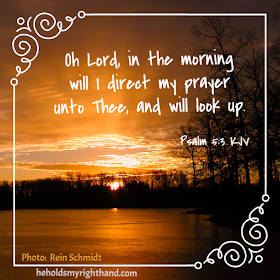
Psalm 5:3: “In the morning, O LORD, you hear my voice; in the morning I lay my requests before you and wait in expectation.”
The second heaven can be considered Satan’s headquarters. From this position he and his fallen angels do everything they can to bring destruction on the earth and resist the purposes of God’s grace, blessings, and mercy.
As an aside, there are three heavens. The first is the visible heaven, seeing the stars at night, it is our atmosphere; the second heaven is the evil ones’ headquarters, and the third heaven is where God lives. (Derek Prince, pp 128)
The sole purpose of the evil one is to kill, steal and destroy. If prayers are breaking through the heavens and people are being blessed, the evil one is alerted. We become the enemy. Satan doesn’t focus on his followers, those who live a worldly life, he focuses on God’s people, those working to advance the kingdom of God.
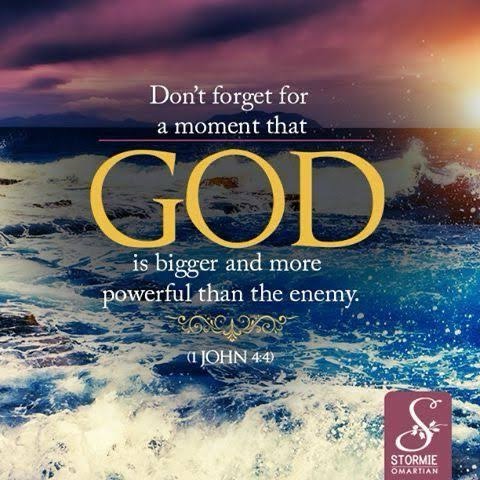
Satan is 100% pure evil, and he has a plan to destroy our lives. Satan is our enemy, like it or not. The battle is between good and evil, and we are the prize. Satan desires to keep us from all that God wants for us. He is the enemy of all people, followers of Christ or not.
“The thief does not come except to steal, and to kill, and to destroy.” John 10:10 NKJV
As our prayers are being answered, he goes on the offensive and stirs up the atmosphere around us. He manipulates circumstances and situations against us. He may cause friction, chaos, loss, and illness, anything that can deter us from our mission. This is deception, he causes us to use our energy to address the things he created around us to dilute and weaken our impact as Prayer Warriors and persistent prayer time.
It is our responsibility to learn to discern the battleground and figure out our strategy to succeed. Do we give up our time in prayer with the Lord to address the chaos the evil one created around us, or do we get up earlier, use our lunch time and go to bed a little later to enter into prayer? “Discernment for the believer is seeing and understanding as God sees and understands. It is the ability to make godly judgments and right appraisals.” (Charles Stanley, pp 53)
When the world turns upside down, take time to discern what is happening and how you will approach it. Do not allow the evil one to dissuade you from your prayer time. We cannot afford to be deceived and sidelined. Our prayers matter and people lives are affected by our praying. Each of our prayers is requesting answers/blessings and resolve in life’s situations and circumstances. The failure to pray for yourself and others leaves everyone prey to the evil ones’ plan for our lives to remain slaves to him and the world.
Do not be deceived, always look through your spiritual lens and cast the evil ones’ efforts as far as the east is from the west. Stay focused on your prayers until you see the blessings manifest. They may manifest in a recognizable way, obvious responses to prayer, or may take another form as God sees fit to advance you into the kingdom. Our prayers may be answered right away, sometime in the future, or not at all, but every prayer has impact and outcomes. We may see some answers to prayers and may not see others. It is all dependent upon how God sees fit to include us in the blessings.
The most important thing is to never stop praying until God leads you to do so. Just make certain you can discern who you are listening to. See my earlier Post on The Voice of God.
Today is the last day of 2025. Where do we go from here? Typically, we rehash the year, with little thought to what aspects of ourselves we should leave behind and what we should carry forward. We get caught up in New Year resolutions, which do not focus on how we intend to become a more mature Christian, one who surrenders and intentionally becomes more obedient, leaving the old person behind and redefining who we are in Christ. The main focus is not just to review the past year, but to intentionally decide which aspects of ourselves to leave behind and which to strengthen, especially in our spiritual walk as Christians. The emphasis is on becoming more mature in faith, surrendering old habits, and redefining ourselves in Christ.
Relinquishing Self: The Word or the World
The world feels like the Stranger Things series – we are lodged in the upside-down place, which is in opposition to the Word of God. Our upside-down world is a world that opposes the Word of God. Chaos reigns, and our leaders are deciphering the Word to support their world of greed and influence. It feels as if we cannot stop the onslaught of destruction; that is exactly what Satan wants us to believe. He not only wants to dim the light, but He wants us to think that darkness is our preferred choice. This is one of the most deceptive lies that darkness cannot be extinguished. We are to live according to biblical principles rather than worldly values. John 1:5 NLT unveils the truth: The light shines in the darkness, and the darkness can never extinguish it.
As active Christians, we can stop the dimming. We can stand up to the evil around us. It requires that we commit ourselves to the Word differently than we have in the past. Our New Year’s resolution is not about losing weight, exercising more regularly, or sleeping undisturbed for eight hours. It is about reading the Bible, staying in the Word, and checking daily to ensure we are following the Word, not the world. It means we must put on all the armor of God (Ephesians 6:10-18) every day. We must be aligned with the sword of the Spirit and be ready to wield it as needed. Francis Frangipane (The Power of Covenant Prayer) reminds us that “His Word is the eternal sword we raise against wickedness.” We must become a house of prayer and act according to the Word. It means we must pray throughout the day and night. It does not require lengthy prayer but simple, continuous communication with our Lord. We must also seek to help others in greater ways than donating money. It means we must care for the elderly, poor, sick, widows, and children.
Becoming Warriors through Renewed Strength
Life as a Christian is a responsibility. We are responsible for what goes on in the world. God has given us the titles of ambassadors, disciples, and teachers. These are active roles; no one possessing these titles sits and pontificates about the challenges that lie ahead. The positions require action.
What should we do as Christians? There are so many things going on in the world, do we succumb to the chaos of the day and by doing so contribute to the darkness it is producing, or do we spread the light through the world through the Word of God, expressed through our actions, intentions, and deeds?
Looking forward to the intentions of an actively committed Christian requires some thought. I’m certain there are parts of you that you would like to leave behind and parts that you would like to continue to develop.
An easy way to keep track of your transition is to make a chart and list the parts of your character that you wish to eliminate, leave behind, and those elements you wish to strengthen to deepen your faith. This will become a daily reference point to ensure that you are leaving the old you behind and actively developing the new.
Chart This
Things I want to leave behind …
Things I want to strengthen…
…a haughty heart.
Learn to maintain a humble heart before the Lord.
…focusing on self and the things of this world.
Focus on the Word and how it applies to daily living.
Action Items for Closing Out 2025
1. Reflect and Chart Your Growth
Make a chart with two columns: “Things I want to leave behind” and “Things I want to strengthen.” Use this as a daily reference to track your spiritual growth and personal development.
2. Prioritize Spiritual Commitment
Focus your New Year’s resolutions on deepening your faith, not just on typical goals like fitness or sleep. Commit to becoming a more mature Christian by intentionally leaving behind old habits and embracing new ones.
3. Stay Rooted in the Word
Read the Bible regularly and ensure your actions align with its teachings. Make daily checks to confirm you are following the Word, not the world.
4. Equip Yourself Spiritually
Put on the “armor of God” every day. Be ready to use the “sword of the Spirit”—the Word of God—to stand against negativity and evil.
5. Maintain Continuous Prayer
Pray throughout the day and night. Focus on simple, ongoing communication with God rather than lengthy prayers.
6. Serve Others Actively
Go beyond financial donations. Actively care for the elderly, poor, sick, widows, and children in your community.
7. Accept Responsibility
Recognize your role as an ambassador, disciple, and teacher. Take active steps to address challenges and spread light through your actions, intentions, and deeds.
8. Relinquish Self
Identify parts of yourself to leave behind and areas to develop further. Use your chart as a daily tool for self-assessment and growth.
Shema: Hear and Obey Devotional, Day Four Devotional, YouVersion App
I awoke this morning, and when I opened my YouVersion App, this is what appeared. Shema: Hear and Obey, day four devotional.
Luke 12:32 may be one of the most breathtaking verses in all of scripture. Jesus looks at His followers—fragile, fearful, unsure—and says, “Fear not, little flock, for it is your Father’s good pleasure to give you the kingdom.”God doesn’t just allow us into His Kingdom—He delights to entrust it to us. The phrase “good pleasure” carries the weight of resolve. This isn’t a reluctant gesture. It’s a determined one.
So why do so few of us live like heirs? We’ve confused our kingdoms with His. We chase influence, clarity, and comfort—mistaking them for Kingdom. But Romans 14:17 tells us the Kingdom is righteousness, peace, and joy in the Holy Spirit. These aren’t casual, manufactured virtues—they are costly, Spirit-wrought realities shaped in surrendered lives.
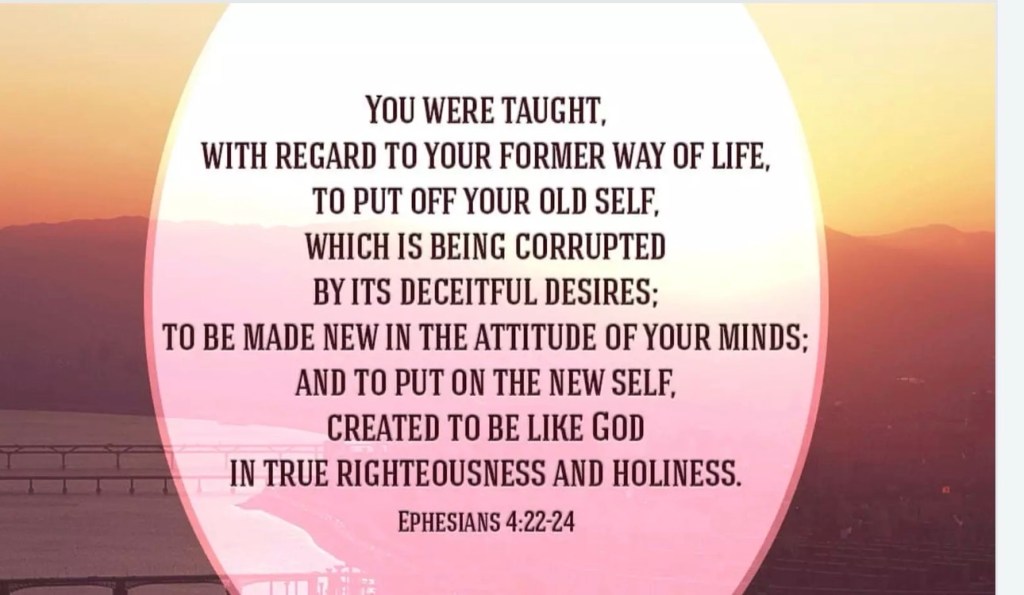
Trust roots us in Kingdom life, though it rarely grows in certainty. Many know the promises but miss the Person behind them. We crave plans and answers, but obedience rarely provides that kind of certainty. It often feels like walking blindfolded. That tension isn’t a flaw—it’s part of the formation process. God isn’t making us comfortable. He’s making us new. Ephesians 4 says the life He leads us into means a new mind and new self.
This is the battleground of real faith. John Kavanaugh, a Catholic priest and ethicist, once traveled to Calcutta to work with Mother Teresa, hoping to gain perspective on where his life with God was headed. When he asked her to pray for him, she replied, “What do you want me to pray for?” “Clarity,” he said. “No,” she answered. “Clarity is the last thing you’re clinging to—and you must let go of it.” When he asked why, she smiled and said, “I’ve never had clarity. What I’ve always had is trust. So, I will pray that you trust God.”
Mother Theresa’s message is that trust is more important than certainty, and that God is forming us through faith, not comfort. Christians are encouraged to let go of the need for charity and instead trust God’s guidance.
Scripture tells us, “The eyes of the Lord run throughout the whole earth, to give strong support to those whose heart is fully His”(2 Chronicles 16:9). He’s not scanning for perfection. He is looking for a Shema *heart. One that is soft enough to listen, brave enough to obey. When He finds it, something happens…
He moves. And the Kingdom moves with Him.
In closing, I wish you well, knowing that the Kingdom belongs to all of us. Strengthening our Christian resolve to become more like Christ, to hold back the darkness and spread God’s love, is not just our resolution for 2026, but our resolution that grows stronger until we reach life eternal.
Romans 14:17 NLT ensures us that living a life of goodness and peace and joy is a gift of the Holy Spirit: For the Kingdom of God is not a matter of what we eat or drink, but of living a life of goodness, and peace and joy in the Holy Spirit.
Shema is a Hebrew word meaning here and listen, and it refers to Judaism’s most central prayer, ‘O Israel: the Lord our God, the Lord is One’ (Deuteronomy 6: 2). More than just hearing, the Shema implies deep understanding, heeding, and active obedience to God. Hearing and listening in the literal sense are deeper than just hearing and listening. It means hearkening and internalizing. Fundamentally, it is truly hearing God’s voice in His commands, encompassing love, teaching, and remembrance. The Shema is a powerful call to holistic devotion. Uniting, hearing, understanding, and acting in loving and serving our God. (AI Overview)
This is the season to internalize the church that is in you because the Holy Spirit resides in you. Daily prayer and communication with God, the direction of the Holy Spirit, whose voice becomes more recognizable as you study, pray, and listen will lead to the gift of the Kingdom in you will be a prevailer of light that cannot be quenched by darkness, rather you serve to break up the darkness and usher in the light of God that replaces wickedness.
In closing, consider leaving behind your haughty heart, focusing on self and worldly things. And, strengthening and maintaining a humble heart before the Lord, focusing on the Word and its daily application.
“Grow in the grace and knowledge of our Lord and Savior Jesus Christ. To him be the glory both now and to the day of eternity. Amen.” ~2 Peter 3:18, ESV
Many new and more mature believers grapple with the hesitancy to step into discipleship. A common theme I have encountered throughout my years in BSF is, “I want to be one of Christ’s disciples, but I fear approaching others to share the Good News.”
God commanded all believers to share His Word, change our character to reflect the character of Christ, and show His love for us through our demonstration of loving others. The thought of loving others as Jesus loved us is a risk. It is the risk of being rejected. Hesitancy stems from not knowing how to approach others with agape love, especially those you do not know. Some fear being intimidated and running the risk of being ridiculed. What is happening is that you are caught in a viselike grip known as a stronghold. Your thoughts, or as we will learn later, your self-talk, reflect strongholds stymying your faith. Paul wrote in 2 Corinthians 10:3-5, “Though we live in the world, we do not wage war as the world does. The weapons we fight with are not the weapons of the world. On the contrary, they have the divine power to demolish strongholds. We demolish arguments and every pretension that sets itself up against the knowledge of God, and we take captive every thought to make it obedient to Christ.”
God calls all believers to share His Word, transform our character to reflect the character of Christ, and demonstrate His love through acts of kindness toward others. The idea of loving others as Jesus loved us involves an inherent risk, such as the possibility of rejection or the fear of being intimidated or ridiculed. This hesitancy often arises from not knowing how to approach others with agape love, particularly those we do not know. Our thoughts, or as we will discuss later, our self-talk (internal conversations with ourselves), reflect strongholds that stymy your faith. Consequently, we may find ourselves trapped in a stronghold—a spiritual war. According to Biblehub.com, “a stronghold represents arguments and pretensions that set themselves up against the knowledge of God.” The Apostle Paul addresses this in 2 Corinthians 10:3-5: “Though we live in the world, we do not wage war as the world does. The weapons we fight with are not the weapons of the world. On the contrary, they have divine power to demolish strongholds. We demolish arguments and every pretension that sets itself up against the knowledge of God, and we take captive every thought to make it obedient to Christ.”
Why do we perceive sharing the Word as risky when the Holy Spirit dwells in us? God’s Word is embedded within us. Paul reminds us that the Word serves as our weapon to demolish these strongholds, particularly the fear and hesitancy that come with sharing God’s message. Peter encourages us to stand firm in our faith and resist the devil, which includes combating negative self-talk that tells us we are ill-equipped to share His Word. This negative self-talk reinforces our doubts about our ability to be effective disciples. The good news is that we can reverse this pattern of negative thinking and doubt. Zechariah 4:6 reveals that the Lord instructed him to tell Zerubbabel, and by extension, us, that His power and Spirit are the ultimate sources of success. It is not our strength that empowers us to share the Word. The Holy Spirit provides the right words to communicate effectively with those we speak to. Paul prays in 2 Thessalonians 3:5 “that the Lord direct our hearts into God’s love and Christ’s perseverance.” If we embrace God’s love and Christ’s perseverance, nothing can hold us back from sharing the Word.
Joshua 1:9 states: “Have I not commanded you to be strong and courageous? Do not be frightened, and do not be dismayed, for the Lord your God is with you wherever you go.” If God is with us wherever we go, He is with us when we share the Word. We should not be frightened or dismayed from spreading His Word.
To address our weaknesses and fears, we must examine three factors that hold us back: a lack of confidence, negative self-talk, and, most importantly, inconsistent faith.
Hebrews 10:35 advises us not to throw away our confidence. Verse 36 further stresses the importance of perseverance so that, when we have done God’s will, we will receive what He has promised. Our confidence is rooted in the Lord. Building this confidence is a gradual process that develops through both success and failure. Each failure teaches us what does not work, while each success reinforces what does. Over time, these experiences contribute to our overall confidence. Our confidence rests on our willingness to rely on God’s Word, surrender to His will, and feel comfortable depending on His strength. The more we practice sharing God’s Word, the more confident we become.
In Mark 13:1, we are promised we will be given the words to speak when needed. This passage illustrates divine guidance and inspiration for sharing God’s truth and boldly expressing our faith, even in challenging situations. Luke 12:12 affirms that the Holy Spirit will provide the words we need the instant we need them.
The key is to focus on small, manageable steps rather than becoming fixated on the end goal. Concentrate on God’s Word and seek out scriptures that resonate with your needs. As we develop skills and refine our methods, we build the confidence and strength necessary to share the Word beyond our immediate circle. For instance, initiating a casual conversation with fellow believers and sharing a personal experience can demonstrate how God has influenced, directed, or positioned you to share the Word with others. This approach also opens the door for additional conversations with people you interact with regularly.
As you build confidence in sharing the Word, you will feel emboldened to reach out to a broader audience—associates, friends who are not believers, and even strangers. It is a gradual process; each step brings you closer to feeling comfortable sharing the Word with anyone, including the person you meet on the street.
We are all equipped to become disciples; however, many of us are our own worst critics and fall victim to negative thoughts. Our internal critic is a disruptor, reinforcing long-held fears of inadequacy and failure. Yet, there is always light that dispels darkness (fear), and as you continue to share, you will find stories of victory. The hesitation to step into discipleship often stems from negative thought patterns, strongholds, and wavering faith. Remember, you are fully equipped to become a disciple. As a new creation in Christ, you have been gifted with His values and character. The only thing holding you back is you.
Conversation starters: One of the most challenging aspects of stepping outside your comfort zone is figuring out how to start a conversation. Opportunities arise in various situations throughout your life. The scenarios outlined below may assist you in your efforts to open new doors.
Sitting at a Doctor’s Office: You could say, “I am waiting to be called for my annual checkup. How about you?” If they are also waiting, you can add, “We are so fortunate that God has provided us with medical care; many who are less fortunate.” If they mention being there with a loved one or friend, you can ask, “Do you mind if I pray for them? What is their name? My name is ______. What is yours? It’s nice to meet you. Let’s pray.”
At a Coffee Shop: You could say, “I love coming here for my morning coffee and some quiet time. It’s a great place to reflect on God’s blessings. Do you have a favorite spot where you feel close to God?”
Waiting in Line: You could say, “Waiting can be a bit tedious, but it’s a good time to think about the patience that God teaches us. Have you ever felt God’s presence during a moment like this?”
During a Community Event: You could say, “It’s wonderful to see our community come together like this. It reminds me of the unity and love that Jesus taught us. Do you have any favorite Bible verses about community?”
At a Park: You could say, “Nature is such a beautiful testament to God’s creation. Do you ever feel a sense of closeness to God when surrounded by nature?”
At a Social Gathering: You could say, “Meeting new people and exchanging stories is such a joy! Have you noticed how God has been at work in their lives?”
To anyone, anywhere, at any time: “Have you ever had a moment where you felt God’s guidance in your life?”
Part Two
In his book, *The Confidence Gap*, author Russ Harris explains that people often focus on their goals before identifying what values are important to them. As Christians, our values should guide how we pursue our goals. The first step is to evaluate our identity in Christ. Consider the following questions: Do we reflect the characteristics of Christ? Which characteristics feel most comfortable to us? Why might some be more comfortable than others? Which characteristics do we need to strengthen to effectively disciple others? These reflections will help determine our approach to discipleship.
God has given each of us different gifts for discipling others. Some may feel comfortable speaking with people, while others might prefer volunteering services, leading a Bible study, sending letters, texts, or emails, or even writing a blog or devotional. Regardless of where your strengths and comfort lie, you are discipling others through your interactions and by sharing the Word.
Jesus trained His disciples by demonstrating His gifts and sending them out as apprentices. They did not acquire all their skills at once, and we won’t get everything right from the beginning either. The Bible teaches us that we must learn and strengthen our identity as new creations in Christ. Understanding our identity and the values that best represent Christ is an ongoing journey.
God does not leave anything to chance. Scripture reinforces our identity in Christ. 2 Corinthians 5:17 tells us, “If anyone is in Christ, he is a new creation. The old has passed away; behold, the new has come.” Ephesians 4:24 states, “…put on the new self, created after the likeness of God in true righteousness and holiness.” Finally, Ephesians 3:12 tells us we have boldness and access with confidence through our faith in Him.
We have all the gifts necessary to become effective disciples, which is part of our new identity. Our values and ethics serve as the standards we follow based on what is important in our lives. As Christians, our values align with the principles taught by Jesus. While our beliefs and values remain constant, the way we express them can evolve.
In Philippians 4:9, Paul reminds the disciples: “Whatever you have learned or received or heard from me, or seen in me—put it into practice, and the God of peace will be with you.” Once we identify our values, we can change the messages we internalize and communicate. For example, we can shift from thinking, “I am uncomfortable reaching out to share the Word,” to feeling, “I am comfortable sharing the Word of God with others.” Our communication style will depend on the specific situation or circumstance.
Overcoming Fear and Building Confidence
Building Confidence: Confidence is built over time through both failures and successes. Failure teaches you what does not work, while success affirms what does. Evaluating your values and characteristics in Christ can help build this confidence. Changing negative self-talk to positive affirmations is also crucial.
Small Steps to Big Goals: Focus on small, manageable steps rather than the daunting end goal of discipleship and reflecting on daily interactions and journaling the outcomes can help build confidence gradually. This approach enables you to feel comfortable sharing the Word with anyone, including strangers.
Practical Approach: Start with casual conversations and understand the person’s needs before diving into scripture sharing. This helps in making the conversation more effective and less intimidating.
Overcoming Negative Messaging: Identify and change the negative self-messaging that holds you back. Rewriting your internal message to positive affirmations can help you become comfortable with sharing the Word.
Focus on What Can Be Controlled: Concentrate on what you can control rather than the end goal. This helps in reducing self-doubt and discouragement.
Listening to Others’ Victories: Hearing others share their victories in discipleship can be encouraging and help you overcome your fears.
Part Three
Summary
Once reborn through faith in Christ, we become new creations, transformed by His love and grace. The Holy Spirit, the third person of the Trinity, resides within us, guiding and instructing our thoughts and actions. This divine presence leads us along the right path and empowers us with strength during our moments of weakness, reminding us that we are never alone in our struggles.
The Holy Spirit plays a crucial role in helping us combat negative self-talk—those critical inner voices that can stifle our confidence and hinder our ability to share the Gospel effectively. By acknowledging our fears and doubts, we can work through them and gradually build the self-assurance necessary to bravely share the truth of our faith. Recognizing the barriers that hold us back is the first step; once we address these obstacles, we can begin to develop a stronger sense of purpose as disciples of Christ. 1Corinthians 6:17 beautifully encapsulates the depth of our relationship with God, stating, “Whoever is united with the Lord is one with Him in spirit.” This profound unity signifies that we are intimately connected to God, sharing in His love and wisdom. Furthermore, 1 Corinthians 15:57 triumphantly proclaims, “Thanks be to God! He gives us victory through our Lord Jesus Christ.” This verse is a powerful reminder that our victories in life are made possible through Christ’s sacrifice and resurrection.
To effectively combat negative self-talk when sharing the Word, consider implementing the following practical steps:
1. Practice Mindfulness: Take time to be aware of your thoughts. Recognize when negative self-talk arises and challenge those thoughts with truth from Scripture.
2. Affirmations: Create a list of positive affirmations based on biblical truths about your identity in Christ. Repeat them daily to reinforce a positive mindset.
3. Seek Community: Surround yourself with fellow believers who encourage and uplift you. Sharing experiences and insights can strengthen your resolve and confidence.
4. Pray for Guidance: Regularly seek the Holy Spirit’s help through prayer. Ask for clarity and courage to share your faith authentically.
5. Start Small: Begin by sharing your faith in low-pressure situations. Gradually expand your circle as you grow in confidence.
By implementing these steps, you can overcome negative self-talk and embrace your calling to share the Gospel with boldness and joy. Once reborn, we become new creations in Christ, and the Holy Spirit resides within us. The Holy Spirit instructs, guides, and directs us, providing strength in our moments of weakness. He helps us overcome negative self-talk that can hinder our ability to become true disciples. By recognizing what holds you back and actively working to overcome it, you will gain the confidence to share the Word and fully embrace your role as a disciple of Christ.









 Lisa’s Daily Inspirations